
Glass in Modern Architecture: Innovative Design and Sustainability
Design Sustainability.
At Cristalería Encinas, S.L. we are committed to sustainability and sustainable development, which is why all our processes are based on this commitment. At Cristalería Encinas, S.L. we are committed to sustainability and sustainable development, which is why all our processes are based on this commitment. Glass has been a fundamental material in modern architecture, transforming the way we conceive and experience urban spaces and buildings. From iconic skyscrapers to sustainable homes, the innovative use of glass in contemporary architecture has opened up new aesthetic and functional possibilities, while promoting sustainability and energy efficiency.
Aesthetics and Transparency
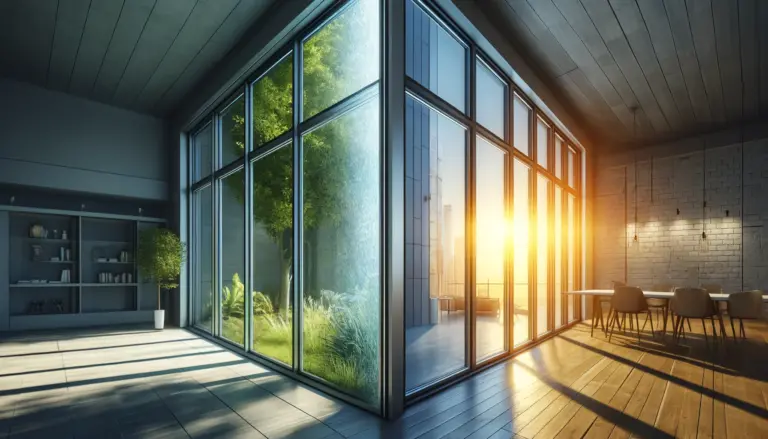
One of the most outstanding aspects of glass in modern architecture is its ability to create bright and open spaces. The transparency of glass allows natural light to penetrate the interior of buildings, creating a feeling of spaciousness and connection with the environment. This characteristic has been taken advantage of by world-renowned architects, such as Mies van der Rohe and Norman Foster, who have used glass extensively in their designs to achieve stunning visual effects and harmonious integration with the surrounding landscape.
Technological Innovations
The development of new technologies in glass manufacturing has allowed for the creation of increasingly bold and sophisticated architectural structures. Laminated glass, for example, offers greater strength and security, allowing for the construction of high-rise glass facades with minimal concern for structural safety. In addition, glass coated with low-emissivity (Low-E) layers and air-gap insulated glass provide better thermal control and reduce energy loss, contributing to the energy efficiency of buildings.
Sustainability and Energy Efficiency
The use of glass in modern architecture is not only about aesthetics, but also about sustainability. Well-designed glass buildings can reduce the need for artificial lighting during the day, which in turn decreases energy consumption. In addition, recycled glass is increasingly common in the manufacture of new glass products, helping to reduce the demand for raw materials and minimize environmental impact.
Iconic Examples
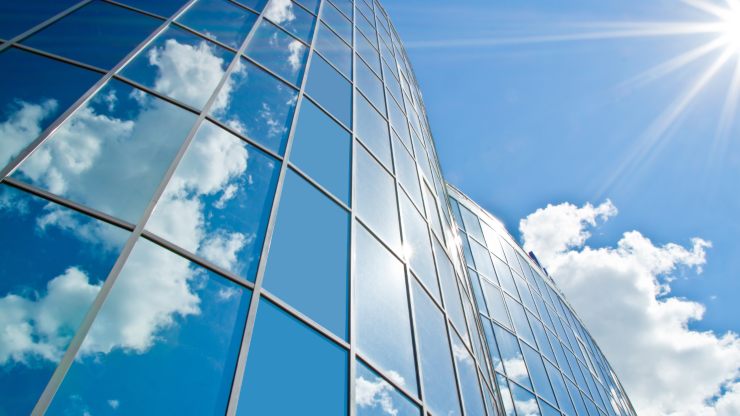
Some iconic examples of the innovative application of glass in modern architecture include the Guggenheim Museum in Bilbao, designed by Frank Gehry, whose curved glass façade has become an architectural icon; the Apple Park in Cupertino, California, which features the world’s largest glass structure and is designed to be a model of sustainability; and the Agbar Tower in Barcelona, with its glass and aluminum façade that changes color depending on the daylight. In short, the use of glass in modern architecture has not only transformed the appearance of our cities but has also promoted sustainability and energy efficiency in building design. With continued innovations in glass technology and architectural design, it is exciting to imagine how this versatile material will continue to be an integral part of the construction of the future.